How to Layer Skincare Products in Order: Morning and Night
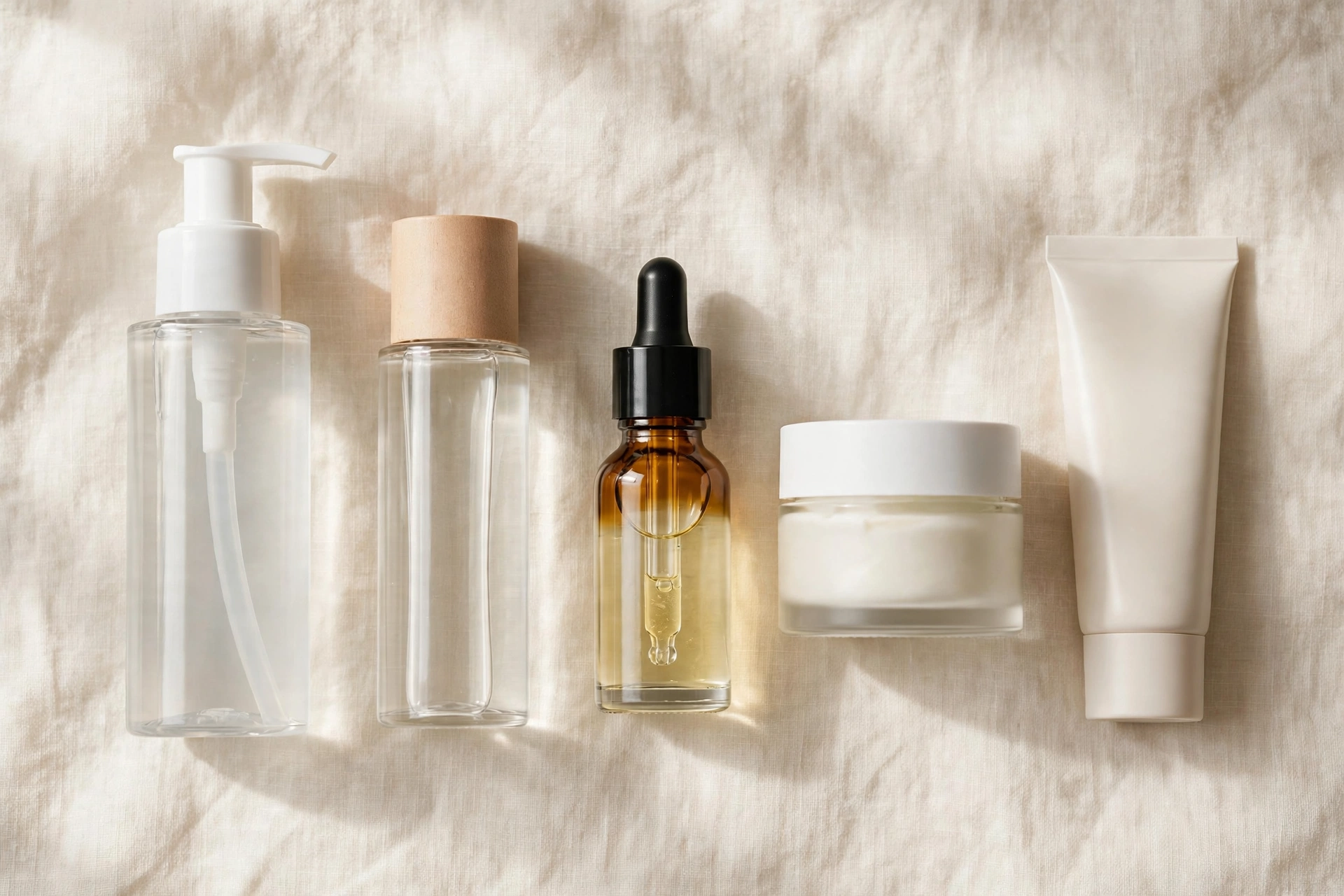
Getting your skincare layering order right. Honestly, it’s one of those things nobody teaches you, and then one day you look at your bathroom shelf and realize you’ve got seven bottles and zero clue which goes on first. Sound familiar? Don’t worry. By the end of this guide, you’ll know exactly what goes where, morning and night, without second-guessing yourself.
Here’s what most people get wrong. And I mean almost everyone. They’ll drop serious money on great products, then use them in totally the wrong order. Then they wonder why nothing works. Frustrating, right? Listen. The order matters WAY more than the price tag. A $6 drugstore cleanser used correctly? It’ll outperform a $80 luxury serum slapped on at the wrong time. Every. Single. Time. So let’s fix this. Once and for all.
Think of it like getting dressed for a freezing day. (Bear with me here.) You wouldn’t put your big winter coat on first and then try to squeeze a sweater over it. That’d be ridiculous. Same exact logic with your skincare layering order. Light, watery stuff needs to touch your skin first. Thick creams and oils? They go last. They seal everything in. Simple. But most people do it backwards.
Why Skincare Layering Order Actually Matters
When you layer wrong? Two bad things happen. First, heavy products block the light ones from absorbing. So that expensive vitamin C serum you bought… it’s just sitting on top of your moisturizer. Doing absolutely nothing. Money down the drain. Second, some ingredients get cranky when they meet in the wrong sequence. Irritation. Redness. Or they just cancel each other out. Nobody wants that.
Flip the order and three things tend to go wrong:
- Your serums can’t get in. Put moisturizer or oil on first and you’ve built a barrier a water-based serum struggles to cross. You paid for those actives, and now they’re stranded on top of a cream.
- Some ingredients irritate when stacked badly. Certain actives clash, and suddenly you’ve got redness or stinging that wasn’t there yesterday.
- Your routine stops making sense. With no fixed order, it’s easy to overdo it, pile on too many actives, and then blame the products when your skin freaks out.
Get the order right, though? Game changer. Every product actually gets to do its job. Your skin gets the full benefit of everything you paid for. That’s it. That’s literally the whole secret. Not very glamorous, I know. But it works.
The One Rule Behind Every Routine: Thinnest to Thickest
If you remember ONE thing from this entire article, make it this: thinnest to thickest. That’s the golden rule. Tattoo it on your brain. Start with the most watery, lightweight product. Work your way up to the heaviest cream or oil. Done.
Why does this work? Okay, quick science bit. Light formulas, like your toners, essences, and watery serums, absorb fast. They penetrate deep. Thick formulas, like moisturizers, oils, and sunscreen, hang out closer to the surface. They lock moisture in. Flip it? Thick first? You’ve basically built a wall. Nothing else is getting through. It’s like trying to water a plant that’s covered in plastic wrap. Pointless.
There’s one exception, and we’ll get to it: sunscreen always goes last in the morning, even though it’s not always the thickest thing you own. It needs to form an even film on top of everything to protect you properly.
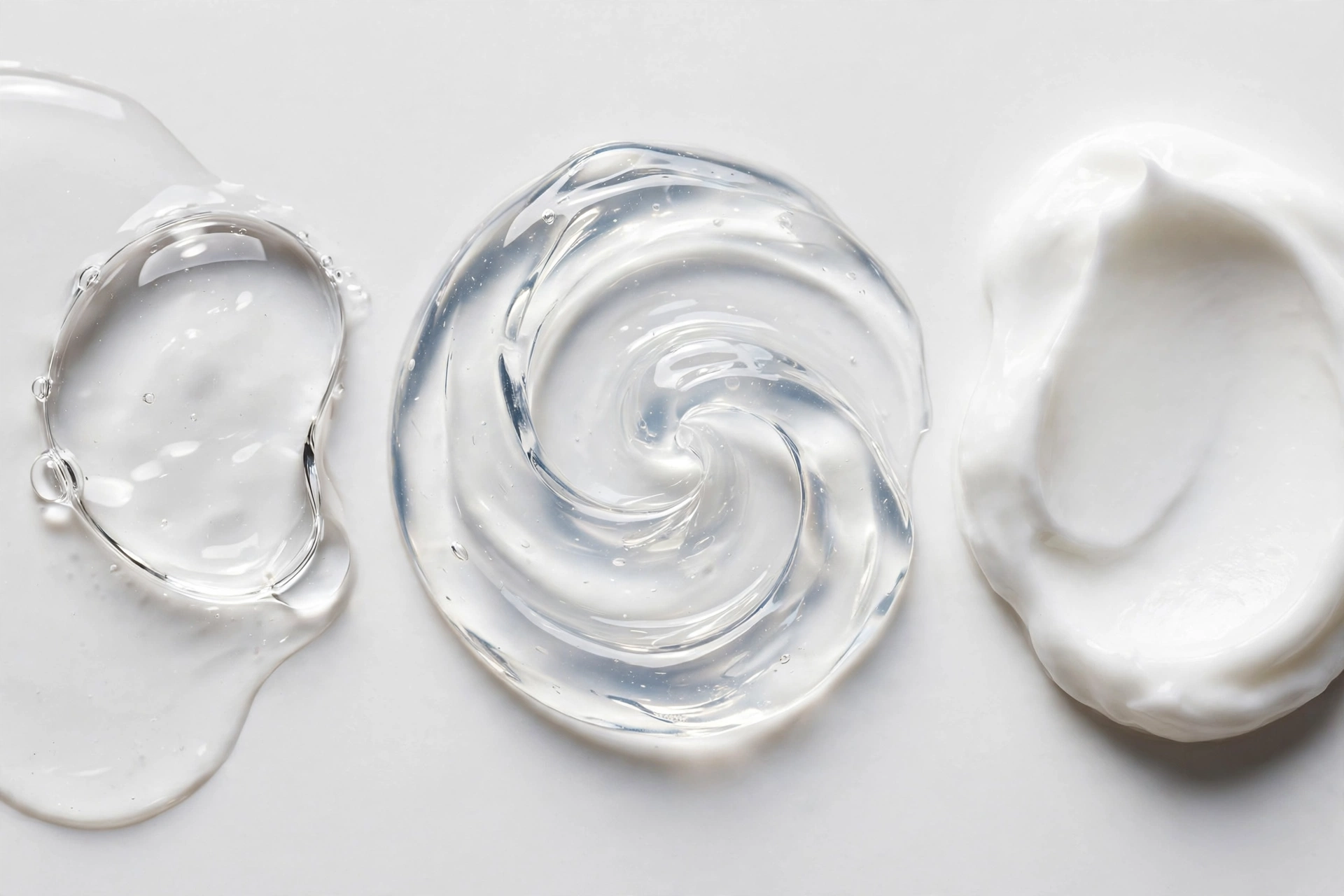
Here’s a handy trick. Can’t tell if a serum is water-based or oil-based? Check the first few ingredients on the label. If water (aqua) is near the top, it’s water-based and goes on earlier. If you spot oils like squalane up there, it goes later, after your water-based layers.
How to Layer Skincare Products in Order: Morning Routine
Your morning routine has exactly one job: protect. That’s it. You’re shielding your skin from sun, pollution, and all the random stuff the day throws at it. Keep it simple. Way simpler than nighttime. Your skin does NOT need a 10-step marathon before you’ve even had coffee. Trust me on this one.
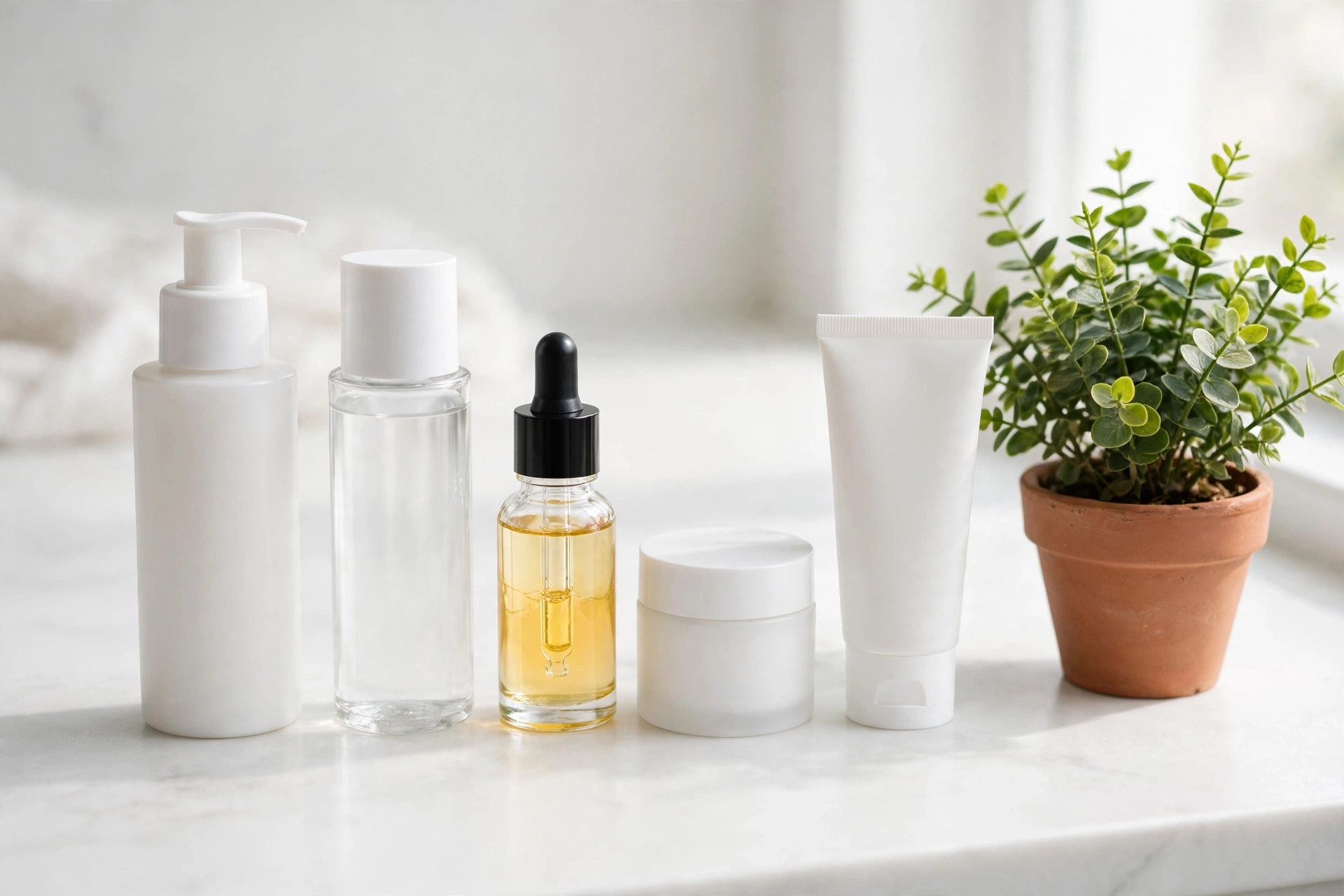
Here’s the full order.
Step 1: Cleanser
Start with a gentle cleanse to wash off the oil and sweat your skin produced overnight. You don’t need anything harsh here. A mild, low-pH cleanser does the job. Massage it in for about 30 seconds (yeah, actually count, most people rinse way too fast), then pat dry. Don’t rub your face with the towel like you’re scrubbing a pan. Pat. Gently.
Step 2: Toner or Essence
Right after cleansing, while your skin is still slightly damp, apply toner or essence. This step is basically giving your skin a glass of water. It hydrates and preps everything to absorb better. Press it in with your palms rather than swiping with a cotton pad (less waste, more product actually on your face). If your toner stings? It’s too harsh. Ditch it.
Step 3: Vitamin C Serum
Here’s where the magic starts. Vitamin C is an antioxidant powerhouse. It brightens, fades dark spots, and boosts your sunscreen’s protection. Apply a few drops to your face and neck. If you’re curious about how vitamin C serum helps with pigmentation, we’ve got a whole guide on it. For the exact steps, see our step-by-step guide to using vitamin C serum.
Step 4: Other Serums, Thinnest First
Got more serums? Layer them from thinnest to thickest. Hyaluronic acid (watery) goes before niacinamide (slightly thicker), which goes before anything creamy. Two serums is the sweet spot for most people. Three at most. Beyond that, you’re just wasting product because your skin can only absorb so much at once.
One quick tip for hyaluronic acid: apply it to slightly damp skin. It pulls moisture toward itself, so damp skin makes it noticeably more effective.
Step 5: Eye Cream
The skin around your eyes is thinner than anywhere else on your face, so it deserves its own step. Use your ring finger (it naturally applies the least pressure) and gently tap (don’t drag) a small amount around the orbital bone. A pea-sized amount for both eyes is plenty. More isn’t better here; too much eye cream just migrates into your eyes and makes them puffy. Ironic, right?
Step 6: Spot Treatment
If you’re dealing with breakouts, now’s the time for spot treatment. Apply benzoyl peroxide or salicylic acid directly on the blemish, not all over your face. Let it sit for a minute before moving on. This way it gets direct contact with the problem area instead of being diluted by your moisturizer.
Step 7: Moisturizer
Now seal it all in. Moisturizer locks in every layer underneath and keeps your skin barrier happy. Choose based on your skin type: gel for oily, lotion for normal/combo, cream for dry. Don’t skip this even if you’re oily (your skin still needs moisture. Skipping it just makes your oil glands panic and produce more oil).
Step 8: Sunscreen, Always Last
Non-negotiable. Every single morning. Broad-spectrum, at least SPF 30. Sunscreen goes last because it needs to form an uninterrupted shield on your skin’s surface. If you put moisturizer over it, you break up that shield. Two finger-lengths for your face and neck. Yes, actually measure it once so you know what enough looks like. Most people use half of what they need.
Choose a broad-spectrum sunscreen of at least SPF 30 and wear it every single day, rain or shine. Don’t stir it into your moisturizer to save a step, because diluting it dilutes the protection. And give it a minute or two to set before makeup, or you’ll end up with pilling and patchy coverage.
How to Layer Skincare Products in Order: Night Routine
Nighttime is repair mode. Your skin does its heaviest healing while you sleep, so this is when you bring out the big guns: exfoliants, retinoids, richer creams. Take your time with this one. Think of it as a wind-down ritual, not a chore.
Step 1: Makeup Remover or First Cleanse
If you wore makeup or sunscreen (you did wear sunscreen, right?), start with an oil cleanser or micellar water to dissolve it all. This is the “first cleanse” in double cleansing. Massage it in for a good 30-60 seconds. It needs time to break down waterproof mascara and long-wear foundation. You’ll feel the difference when you actually give it time.
Step 2: Second Cleanse
Now wash with your regular gentle cleanser to clean the actual skin underneath. This removes any leftover residue from step one plus the day’s grime. Same rule as morning: 30 seconds, lukewarm water, pat dry. Your face should feel clean but not tight. Tight means your cleanser is too stripping.
Step 3: Exfoliant, 2 to 3 Times a Week
This isn’t an every-night step. Two to three times a week, after cleansing, apply your chemical exfoliant: AHAs like glycolic or lactic acid for dullness and texture, BHAs like salicylic acid if you’re breakout-prone. Leave it on (don’t rinse unless the product says to). On non-exfoliant nights, just skip straight to toner. Over-exfoliating is one of the fastest ways to wreck your skin barrier, so respect the limit.
Step 4: Toner or Essence
Same as morning: hydrate and prep. Your skin just went through cleansing (and maybe exfoliating), so it needs that moisture back. Press it in, don’t swipe.
Step 5: Treatment Serums
Night is prime time for treatment serums: niacinamide for pores, peptides for firmness, hyaluronic acid for hydration. Same thinnest-to-thickest rule. These get to work undisturbed for hours while you sleep, which is why nighttime serums often show results faster than daytime ones.
Step 6: Retinol, on Retinoid Nights
Retinol (vitamin A) is the gold standard for anti-aging, but it’s picky. Use it at night only. Sunlight breaks it down. Start with two nights a week and build up slowly. Apply a pea-sized amount to dry skin (damp skin absorbs more and irritates more). And here’s the big one: don’t use retinol on the same nights as your exfoliant. Alternate them. Your skin barrier will thank you. For a deeper dive into structuring your evenings, check out the evening routine.
New to retinol? Start with two nights a week and build up slowly. Putting moisturizer on first and retinol over it is a legit buffering trick: it slows absorption and eases you through the adjustment period. Skip exfoliating acids on retinol nights and alternate them instead.
One more thing, and it matters: if you’re pregnant or breastfeeding, talk to your doctor before using any retinoid.
Step 7: Eye Cream
Same gentle tapping routine as morning. At night you can go slightly richer if you want. The extra hours give it time to work.
Step 8: Moisturizer or Night Cream
Seal everything with a moisturizer. Night creams tend to be richer than daytime ones, which is fine. You’re not putting makeup over it. If your skin is feeling extra thirsty, this is the step to go heavy.
Step 9: Face Oil, Optional
Got dry skin? A few drops of face oil as the very last step locks in all that moisture. Oil always goes last (except sunscreen, which you don’t need at night) because nothing penetrates through oil. Squalane and rosehip are great starter oils, lightweight but effective.
Step 10: Lip Care
Don’t forget your lips! They don’t have oil glands, so they dry out fast. A good lip balm or overnight lip mask keeps them from getting chapped. Quick swipe, done.
Morning vs Night: Quick Order Chart
Here’s the whole thing at a glance. Screenshot this if it helps:
| Step | Morning (AM) | Night (PM) |
|---|---|---|
| 1 | Cleanser | Makeup remover / first cleanse |
| 2 | Toner or essence | Second cleanser |
| 3 | Vitamin C serum | Exfoliant (2-3x per week) |
| 4 | Other serums, thinnest first | Toner or essence |
| 5 | Eye cream | Treatment serums |
| 6 | Spot treatment | Retinol (on retinoid nights) |
| 7 | Moisturizer | Eye cream |
| 8 | Sunscreen SPF 30+, always last | Moisturizer or night cream |
| 9 | – | Face oil (optional, dry skin) |
| 10 | – | Lip balm |
You don’t need every step. For most people, a solid morning routine is just cleanser, serum, moisturizer, and sunscreen. The extras are there for specific concerns. And as long as you know how to layer skincare products in order, a simple routine beats a complicated one every time.
How Long Should You Wait Between Layers?
This is the question everyone asks, and the answer is less dramatic than you’d think. For most layers, 30 to 60 seconds is enough. Just long enough for the product to feel like it’s settled rather than sitting wet on your skin. You don’t need to set a timer and stare at the wall.
The exception? Actives. After vitamin C, retinol, or exfoliating acids, give it a full minute or two. These are potent ingredients, and rushing can increase irritation. Use that time to brush your teeth or pick out clothes. Multitasking for the win.
- Actives like vitamin C or retinol: give them a minute or two before the next layer. That lets the ingredient do its job instead of getting diluted by moisturizer, and it lowers your risk of irritation.
- Sunscreen before makeup: let it set for a couple of minutes so it forms an even film. Rush it and you’ll get pilling, those annoying little balls of product that wreck your foundation.
Honestly, if your routine feels like a chemistry experiment with stopwatch precision, you’re overthinking it. The 30-second rule covers 90% of situations.
What NOT to Layer Together
Some ingredients are like oil and water. They just don’t play nice. Here are the combos to avoid:
- Vitamin C + retinol. Both are amazing, just not at the same time. Vitamin C goes in the morning, retinol at night. Using them together can cause serious irritation, especially if your skin isn’t used to actives.
- Retinol + exfoliating acids (AHAs/BHAs). Both increase cell turnover. Together? That’s a fast track to redness, peeling, and a damaged barrier. Alternate nights: retinol one night, exfoliant another.
- Benzoyl peroxide + retinol. Benzoyl peroxide can actually deactivate retinol, so you’re canceling out both. Use benzoyl peroxide in the morning (as spot treatment) and retinol at night.
Multiple strong actives at once. As a general rule, don’t introduce more than one new active at a time. Add one, wait two to three weeks to see how your skin reacts, then consider adding another. Your skin isn’t a lab. Don’t experiment on it like one.
How the Order Changes for Your Skin Type
The thinnest-to-thickest rule doesn’t change, but the products you pick (and how many layers you need) absolutely do.
Oily skin? You probably don’t need 10 steps. A lightweight gel moisturizer might be enough. Skip the face oil, and consider skipping the heavy night cream too. Focus on niacinamide and salicylic acid. And no, “oily” doesn’t mean “skip moisturizer.” Dehydrated oily skin just produces more oil to compensate.
Dry skin? Layer up. You want every hydrating step: essence, hyaluronic acid serum, rich cream, and yes, that face oil on top. Your skin drinks it all up. Cream cleansers over foaming ones, always.
Sensitive skin? Fewer products, gentler formulas. Skip the exfoliating acids or use them once a week max. Introduce retinol very slowly (or skip it entirely. No shame in that). Patch test everything. Your skin is telling you what it needs; listen.
Combination skin? Mix and match. Richer products on dry areas (cheeks), lighter on oily zones (T-zone). You don’t have to use the same product on your entire face. Multi-masking isn’t just a trend; it actually makes sense.
Budget vs Luxury: The Order Does Not Change
Here’s something the beauty industry doesn’t want you to focus on: the order is the same whether your cleanser costs $5 or $50. Thinnest to thickest doesn’t care about price tags.
Where should you actually spend money? On the products that stay on your skin longest and contain the highest concentration of actives: serums and treatments. That’s where formulation quality matters most.
Where can you save? Cleanser (it washes off in 30 seconds, so don’t overpay), basic moisturizer, and honestly, sunscreen. Some of the best sunscreens on the market are drugstore brands. The $8 one with good filters beats the $40 luxury one you use sparingly because it was expensive.
It’s not about how much you spend. It’s about using what you have in the right skincare layering order, consistently. Consistency beats luxury every single time.
Seasonal Tweaks Worth Making
Your skin in July is not your skin in January. Adjust accordingly.
Summer: Go lighter. Switch to a gel moisturizer, maybe skip the face oil. Sweat + heavy creams = clogged pores. But don’t you dare skip sunscreen. If anything, reapply more often. And keep your vitamin C going; it actually boosts sun protection.
Winter: Time to layer up. Add that face oil, switch to a cream cleanser, consider a humidifier (dry indoor heating is brutal on skin). Your summer gel moisturizer probably won’t cut it anymore. That’s normal, not a sign something’s wrong.
Transition seasons (spring/fall): This is when skin gets confused. Introduce changes slowly, one product at a time. If something worked in summer, don’t ditch it overnight. Phase things in and out.
6 Layering Mistakes Almost Everyone Makes
Let’s do a quick reality check. Are you guilty of any of these?
1. Applying products to bone-dry skin. Slightly damp skin absorbs products better, especially hyaluronic acid, which literally pulls moisture from its surroundings. If the air is dry, it’ll pull moisture FROM your skin instead. Damp face, always.
2. Using too much product. More isn’t more. A pea-sized amount of retinol, a dime-sized amount of moisturizer, two finger-lengths of sunscreen. Using triple the amount doesn’t triple the results, it triples the irritation risk and empties your wallet faster.
3. Mixing everything together in your palm. I see this all the time. People cocktail all their serums to “save time.” Don’t. Layering exists for a reason. Each product needs direct skin contact to work properly.
4. Exfoliating every single day. Your skin needs time to recover. Daily exfoliation strips your barrier, leading to sensitivity, breakouts, and that tight, shiny (not in a good way) look. Two to three times a week. That’s it.
5. Putting sunscreen on first (or skipping it). Sunscreen last in the morning, every morning. Not “when it’s sunny.” Not “when I remember.” Every. Morning. UV damage is cumulative and it’s the #1 cause of premature aging. This is the hill I will die on.
6. Giving up after a week. Skincare isn’t instant. Most actives need 4-6 weeks to show real results (retinol can take 12). If you keep switching products every week, you’ll never know what actually works. Patience, friend.
Frequently Asked Questions
Does the order of skincare really matter?
Yes. And no, it’s not just marketing fluff. Here’s the deal: light products physically cannot penetrate through heavy ones. It’s just physics. Wrong order means your fancy serums never even reach your skin. They’re just… sitting there. Plus, some ingredient combos get irritating when they meet in the wrong sequence. Right skincare layering order = every product actually works. Simple as that.
Should I apply serum or moisturizer first?
Serum first. Always. No exceptions. Serums are thinner. They’re packed with concentrated actives that need direct skin contact. That’s literally what they’re designed for. Moisturizer goes on top. It seals everything in. Think of it this way: serum’s the treatment, moisturizer’s the blanket. Treatment first, blanket second. You wouldn’t put a blanket on and THEN try to apply medicine underneath, right?
Where does sunscreen go in a skincare routine?
Last. Always last in your morning routine: after moisturizer, before makeup. It needs to form an even, unbroken film on your skin to protect properly. Anything layered on top disrupts that shield. Use broad-spectrum SPF 30 or higher, and use enough (two finger-lengths for face and neck).
Can I use vitamin C and retinol together?
Not at the same time. Use vitamin C in the morning and retinol at night. Both are potent actives, and combining them in one routine significantly increases your risk of irritation, redness, and peeling. Separating them lets you get the benefits of both without the drama.
How many serums can I layer at once?
Two is ideal, three is the max for most people. Beyond that, you’re overloading your skin. It can only absorb so much, and the excess just sits there or pills up. If you have more than three serums you love, alternate them across days instead of stacking them all at once.
How long should I wait between skincare steps?
About 30 to 60 seconds for most products. Just until each layer feels settled rather than wet. For strong actives like vitamin C, retinol, or exfoliating acids, wait a full minute or two to reduce irritation risk. No stopwatch needed; just don’t rush.
Do I need to layer different products morning and night?
The order framework is the same (thinnest to thickest), but the products differ. Mornings focus on protection: antioxidants like vitamin C plus sunscreen. Nights focus on repair: exfoliants, retinoids, and richer moisturizers. Your skin has different needs at different times, so your routine should reflect that.
What is the correct way to layer skincare products in order?
Thinnest to thickest, always. Morning: cleanser → toner → vitamin C serum → other serums → eye cream → spot treatment → moisturizer → sunscreen. Night: double cleanse → exfoliant (2-3x/week) → toner → treatment serums → retinol (alternate nights) → eye cream → moisturizer → face oil (optional) → lip balm. Sunscreen is always last in the morning; face oil is always last at night.
Final Thoughts
Look. Skincare layering isn’t rocket science. It’s just thinnest to thickest. Morning = protection. Night = repair. That’s the whole game, I promise. You don’t need 15 products. You don’t need a chemistry degree. You need the right stuff, in the right order, used consistently. That’s literally it.
Start simple. Get the basics down (cleanser, moisturizer, sunscreen), then add treatments one at a time. Give each new product two to three weeks before judging it. And be patient with your skin; it’s doing its best.
If you take one thing from this guide, let it be this: the most expensive product in the world won’t help if it’s trapped under three layers of cream. Order matters. Now go layer like you mean it.
And if you’re building better habits beyond just layering, check out these simple habits for a healthy-looking skin routine. Small changes that add up fast.
Want to keep learning? Once you know how to layer skincare products in order, go deeper with dermatologist-reviewed resources: the American Academy of Dermatology and the Skin Cancer Foundation. Both publish excellent guides on sunscreen use and building a routine that actually works. Bookmark this guide on how to layer skincare products in order and revisit it whenever you add a new product to your shelf.