10 Home Remedies for Glowing Skin: Easy Natural Tips
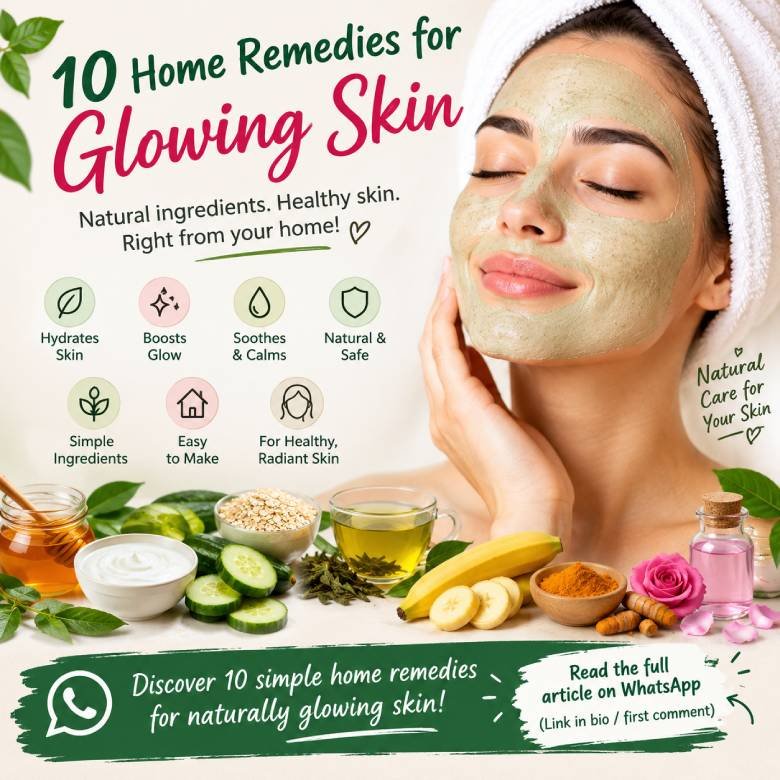
Healthy-looking skin can often be supported with simple ingredients commonly found at home. Natural options such as aloe vera, honey, yogurt, oatmeal, cucumber, and green tea can provide gentle hydration and help the skin feel refreshed. These remedies are best used as simple additions to a consistent skincare routine rather than as replacements for proven skincare products. When prepared and applied carefully, they can leave the skin feeling softer, smoother, and more comfortable.
Why Try Home Remedies for Glowing Skin?
Home remedies can be an accessible way to introduce simple skincare practices without requiring a large collection of products. Many commonly used ingredients contain moisturizing, soothing, or antioxidant properties that can complement a basic skincare routine. Their main advantage is simplicity, as most preparations require only a few readily available ingredients. However, natural does not automatically mean suitable for every skin type, so gentle application is important.
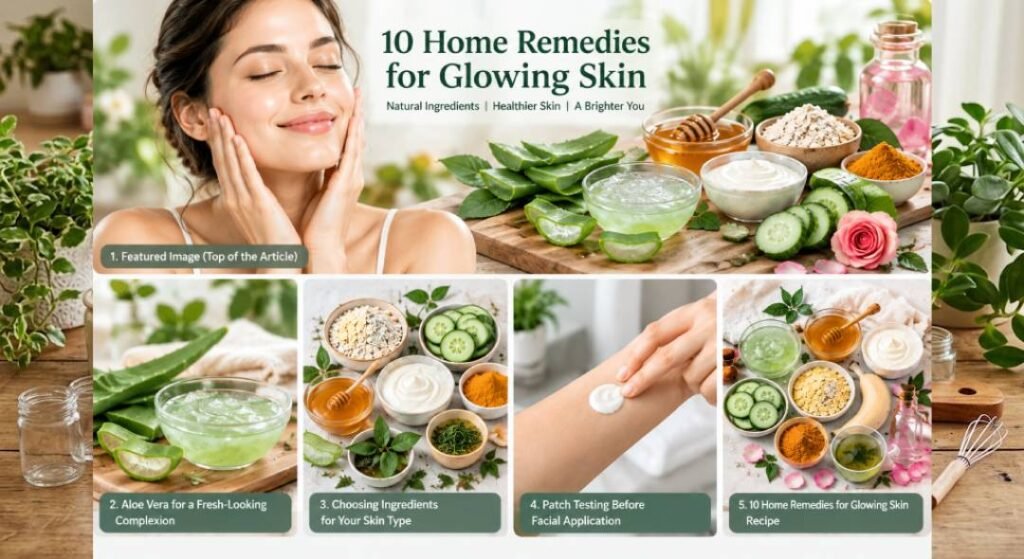
Aloe Vera for a Fresh-Looking Complexion
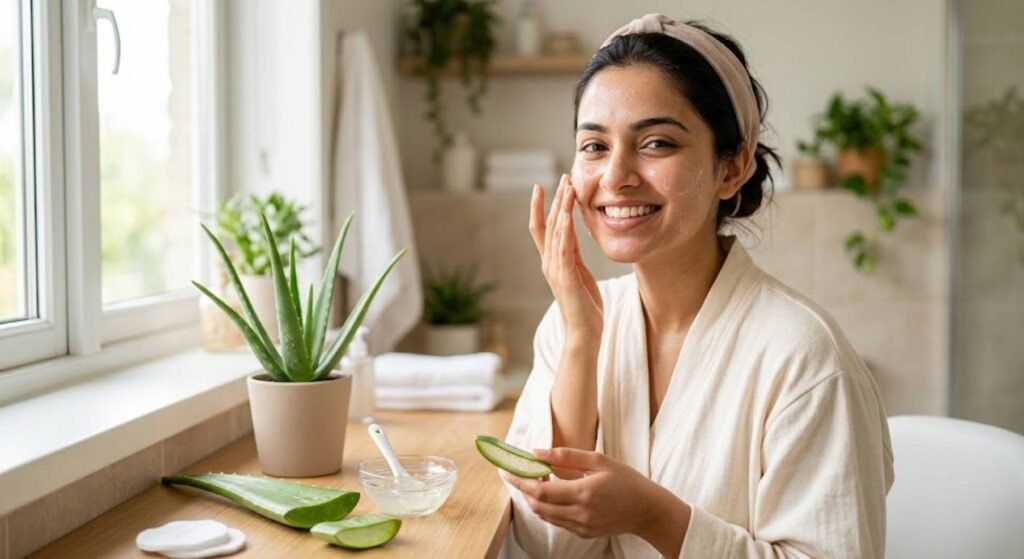
Aloe vera is widely used in skincare because of its lightweight, soothing feel and high water content. It can help the skin feel hydrated without leaving a heavy layer on the surface. Pure aloe vera gel is generally preferable to products containing unnecessary fragrance or irritating additives. Apply it to clean skin and discontinue use if redness, burning, or discomfort develops.
Honey for Soft and Hydrated Skin
Honey has a naturally smooth texture and is commonly included in simple skincare preparations. It can help the skin feel moisturized and supple after application. Its sticky consistency also makes it useful in gentle wash-off masks when combined with suitable ingredients. Choose plain honey without added flavors, syrups, or fragrances for skincare use.
Yogurt for a Smoother Skin Feel
Plain yogurt contains lactic acid, which is an alpha hydroxy acid that can gently exfoliate the skin. This may help improve the appearance of dull-looking skin when used appropriately. Because yogurt can be irritating for some people, particularly those with sensitive skin, a small patch test is advisable before wider application. Use plain, unsweetened yogurt rather than flavored varieties.
Oatmeal for Gentle Comfort
Finely ground oatmeal is a useful ingredient for gentle skincare because it has a soft texture and can help calm the feel of dry or uncomfortable skin. It can also provide mild physical cleansing without the harshness associated with rough exfoliating particles. Colloidal oatmeal is particularly well established in skincare formulations. Avoid rubbing an oatmeal mixture aggressively against the skin.
Cucumber for a Cooling Effect
Cucumber contains a high proportion of water and has a naturally refreshing feel. Its cool texture can make it especially pleasant when the skin feels warm or tired. Cucumber preparations are best viewed as refreshing skincare rather than a treatment for specific skin conditions. Use freshly prepared cucumber and avoid applying it to irritated or broken skin.
Green Tea for an Antioxidant Boost
Green tea contains naturally occurring polyphenols that have antioxidant properties. A cooled green tea preparation can be used as a simple refreshing step in a skincare routine. Allow brewed tea to cool completely before applying it to the skin. Fresh preparation is preferable, and leftover liquid should be refrigerated and used promptly rather than stored for extended periods.
Banana for Dry-Looking Skin
Banana has a soft texture and can be combined with other gentle ingredients to create a moisturizing-feeling mask. Its natural consistency makes it easy to spread over the skin without requiring complicated preparation. It may be particularly appealing for people whose skin feels dry or tight. Always use a fresh banana and remove the mixture thoroughly after application.
Turmeric: Use With Care
Turmeric is traditionally used in various beauty practices and contains curcumin, a naturally occurring compound with antioxidant properties. It can add a warm yellow color to homemade masks, but it may temporarily stain the skin or clothing. Concentrated preparations can also cause irritation, especially on sensitive skin. A very small amount is generally more practical than creating a heavily colored mixture.
Rose Water for Refreshing the Skin
Rose water is commonly used as a refreshing skincare ingredient because of its light texture and pleasant scent. A simple rose-water application can make the skin feel refreshed after cleansing. Choose a product formulated for facial use and avoid heavily fragranced versions if your skin is sensitive. Rose water should complement rather than replace moisturizer or sunscreen.
How These Remedies Work Together
The ten options above focus on different aspects of basic skincare, including hydration, soothing comfort, gentle exfoliation, and refreshing the skin. They do not need to be used all at once because combining too many ingredients can make a routine unnecessarily complicated. A better approach is to choose one simple preparation based on how your skin feels. Consistent cleansing, moisturizing, and daytime sun protection remain more important than using numerous homemade treatments.
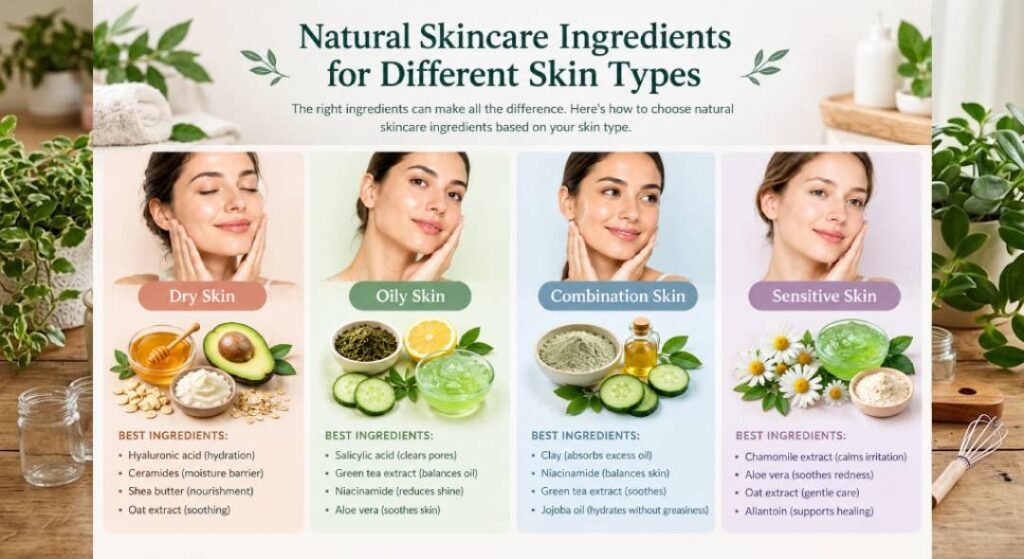
Choosing Ingredients for Your Skin Type
Dry skin may benefit more from gentle, moisturizing ingredients such as aloe vera, honey, oatmeal, or banana. Oily skin may prefer lightweight preparations that do not leave a heavy residue. Combination skin can require a balanced approach because different areas of the face may respond differently to products. Sensitive skin should generally be treated more cautiously, with fewer ingredients and careful patch testing.
Gentle Preparation Is Important
The quality and cleanliness of the ingredients matter when preparing homemade skincare. Wash fresh produce thoroughly before using it and prepare mixtures with clean utensils and containers. Avoid combining many active ingredients simply because they are individually popular. Simple preparations are easier to monitor and make it easier to identify an ingredient if irritation occurs.
Improving the Texture of Homemade Masks
The consistency of a homemade mask affects how easily it spreads across the skin. Watery ingredients can make a mixture difficult to apply, while thick ingredients may feel uncomfortable or difficult to remove. A smooth, soft consistency is generally easier to work with than a grainy or coarse mixture. If a preparation becomes too thick, a small amount of a suitable liquid ingredient can help loosen it.
Avoid Harsh Exfoliation
Natural ingredients should not be used as an excuse for aggressive scrubbing. Rough particles can create unnecessary friction and may leave sensitive skin feeling irritated. Oatmeal should be finely ground if it is being used as part of a gentle facial preparation. Avoid scrubbing with sugar, salt, or other coarse particles on delicate facial skin.
Patch Testing Before Facial Application
Patch testing is an important precaution when trying a new homemade skincare ingredient. Apply a small amount to an inconspicuous area and observe the skin for signs of irritation before using it more broadly. Stop immediately if you experience burning, significant redness, swelling, or persistent itching. People with known allergies or existing skin conditions should seek appropriate professional guidance before experimenting with homemade treatments.
How Often Should Home Remedies Be Used?
There is no need to apply multiple homemade remedies every day. Overusing masks or exfoliating ingredients can leave the skin feeling dry or irritated. A simple approach is to introduce one preparation at a time and observe how the skin responds. The ideal frequency depends on the ingredient, skin type, and the rest of the skincare routine.
Five Simple Variations to Try
Aloe vera can be used alone when a lightweight, refreshing preparation is preferred. Honey can be paired with plain yogurt for a richer wash-off mask. Finely ground oatmeal can be combined with aloe vera for a gentle, soothing texture. Cucumber can be blended with aloe vera for a cooling preparation, while green tea can be used as a simple refreshing liquid step.
Home Remedies for Morning Skincare
Some gentle preparations can be incorporated into a morning routine when the skin needs a refreshing start. Lightweight ingredients such as aloe vera or cucumber may feel comfortable before moisturizer. Any morning skincare routine should finish with broad-spectrum sunscreen to help protect the skin from ultraviolet exposure. For the right product order, see our guide to layering skincare products. Homemade preparations should not be considered substitutes for sunscreen.
Home Remedies for Evening Skincare
Evening is often a convenient time to use a wash-off homemade mask because there is no need to apply makeup immediately afterward. The skin should be cleansed before applying a suitable preparation. After removing the mask, a gentle moisturizer can help maintain skin comfort. Avoid using several potentially irritating ingredients in the same evening.
Storage and Freshness Considerations
Fresh homemade skincare mixtures generally have a much shorter usable life than commercially formulated products. Ingredients containing fresh fruit, yogurt, or other perishable foods should not be kept for long periods. Preparing a small fresh amount is usually safer and more practical than storing leftovers. Discard any mixture that develops an unusual smell, color, or texture.
Who Can Benefit From Simple Home Remedies?
People who prefer uncomplicated skincare may enjoy using gentle homemade preparations as occasional additions to their routine. They can also be useful for someone who wants to explore simple ingredients before purchasing numerous skincare products. However, home remedies are not appropriate for every skin concern. Persistent acne, severe dryness, eczema, unexplained rashes, or other ongoing problems may require advice from a qualified healthcare professional.
Balancing Your Overall Skincare Routine
Glowing-looking skin is not dependent on a single ingredient or homemade mask. A balanced routine usually includes gentle cleansing, appropriate moisturization, and daily sun protection. For a simple seasonal example, see our Winter Skincare Routine for Beginners. Home remedies can be occasional additions rather than the foundation of skincare. Keeping the routine simple also makes it easier to identify which products or ingredients work well for your skin.
For a simple evening routine, see our Night Skin Care Routine.
10 Home Remedies for Glowing Skin Recipe
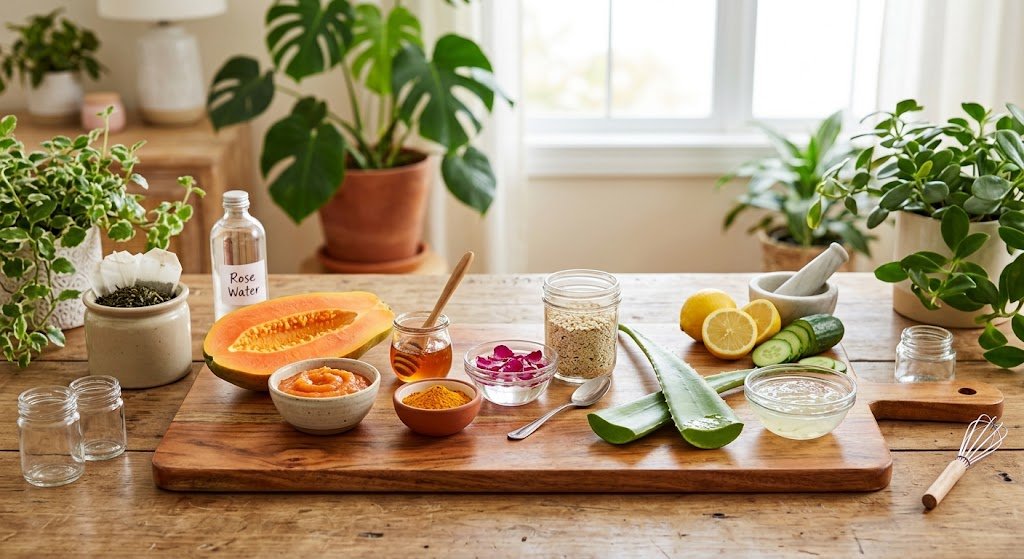
These simple skincare preparations use familiar ingredients such as aloe vera, honey, yogurt, oatmeal, cucumber, green tea, banana, turmeric, and rose water. They are designed to support a fresh, hydrated, comfortable skin feel when used appropriately.
Course: Skincare
Cuisine: Natural Skincare
Servings: 1 application
Prep time: 5 minutes
Calories: 0 kcal
Total time: 10 minutes
Ingredients
- 2 tablespoons pure aloe vera gel
- 1 teaspoon plain honey
- 1 tablespoon plain unsweetened yogurt
- 1 tablespoon finely ground oatmeal
- 2 tablespoons fresh cucumber puree
- 2 tablespoons cooled brewed green tea
- ½ ripe banana
- ⅛ teaspoon turmeric powder
- 1 tablespoon pure rose water
- 1 tablespoon plain water, if needed for consistency
Instructions
- Prepare the ingredients: Wash fresh ingredients thoroughly and place each ingredient in a clean preparation area.
- Create the base: Combine the aloe vera gel with the selected supporting ingredient, such as honey, yogurt, oatmeal, cucumber, banana, or rose water, depending on the desired preparation.
- Adjust the consistency: Mix until the preparation becomes smooth and easy to spread. Add a small amount of water only if the mixture is too thick.
- Apply gently: Apply a thin, even layer to clean skin while avoiding the eye area and lips.
- Rinse thoroughly: Leave the preparation on the skin for a short period, then rinse gently with lukewarm water without scrubbing.
- Finish the routine: Pat the skin dry and follow with a suitable moisturizer. If using the preparation during the day, finish with broad-spectrum sunscreen.
Notes
- Always patch test a new ingredient before applying it to the entire face.
- Use plain, unsweetened yogurt and pure aloe vera gel whenever possible.
- Fresh mixtures containing food ingredients should be prepared immediately before use.
- Avoid applying homemade preparations to cuts, open wounds, or visibly irritated skin.
- Turmeric may temporarily stain the skin or clothing, so use it sparingly.
- Stop using any preparation that causes burning, swelling, significant redness, or persistent irritation.
Nutrition Facts
Serving Size: 1 facial application
Total number of serves: 1
Calories: 0 kcal
Fat: 0g
Saturated Fat: 0g
Cholesterol: 0mg
Carbohydrates: 0g
Fiber: 0g
Sugar: 0g
Protein: 0g