Green Tangerine Vita C: 7 Powerful Benefits, How to Use & Review (2026)
What Is Green Tangerine Vita C?
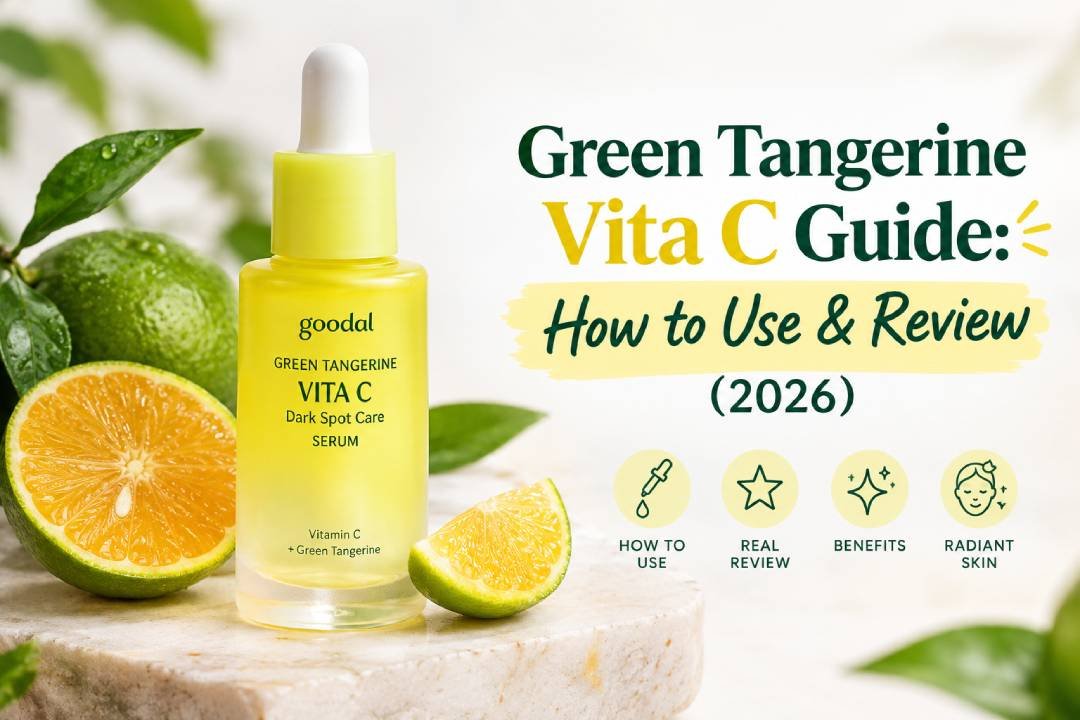
Green Tangerine Vita C is a popular skincare range best known through Goodal’s dark-spot care products. The idea behind the Green Tangerine Vita C line is to combine green tangerine extract with vitamin C derivatives and other skincare ingredients commonly used for brightening and improving the appearance of uneven skin tone. Current product listings describe formulas that may include ingredients such as niacinamide, arbutin, panthenol, hyaluronic acid, and different forms of vitamin C, depending on the particular product and formula version.
The name can be slightly confusing because Green Tangerine Vita C is not one single ingredient or one universal product. It refers to a product line, and different products within that line can have different formulas. For example, the classic Dark Spot Care Serum lists green tangerine extract, niacinamide, arbutin, panthenol, sodium hyaluronate, and ascorbyl glucoside among its ingredients, while the newer Vita C E TXA Serum contains tranexamic acid, niacinamide, vitamin C derivatives, and vitamin E.
That distinction matters if you are researching the product before buying it. Rather than assuming every product in this range has exactly the same ingredients, check the ingredient list on the specific bottle or the manufacturer’s current product information. Retailers recommend checking the packaging for the most up-to-date ingredient information, as formulas can change.
Why Green Tangerine Is Used in Skincare
Green tangerine is essentially an unripe tangerine extract used as a botanical source of antioxidant compounds. Skincare products use citrus extracts because they can contribute vitamin C and other plant compounds to a formula. However, green tangerine extract should not automatically be treated as identical to a serum containing a precisely measured concentration of pure L-ascorbic acid.
This is an important distinction for beginners. Vitamin C is a broad category of skincare ingredients, and products can use pure ascorbic acid or vitamin C derivatives such as ascorbyl glucoside and sodium ascorbyl phosphate. These ingredients can behave differently on the skin and can have different stability characteristics. The classic Dark Spot Care Serum, for example, lists ascorbyl glucoside rather than relying solely on pure ascorbic acid.
Key Ingredients in Green Tangerine Vita C
One reason this range attracts attention is that its formulas generally use more than one brightening or skin-supporting ingredient. Instead of relying on the tangerine extract alone, products in the line can combine botanical extracts with ingredients such as niacinamide, arbutin, vitamin C derivatives, panthenol, and moisturizing agents.
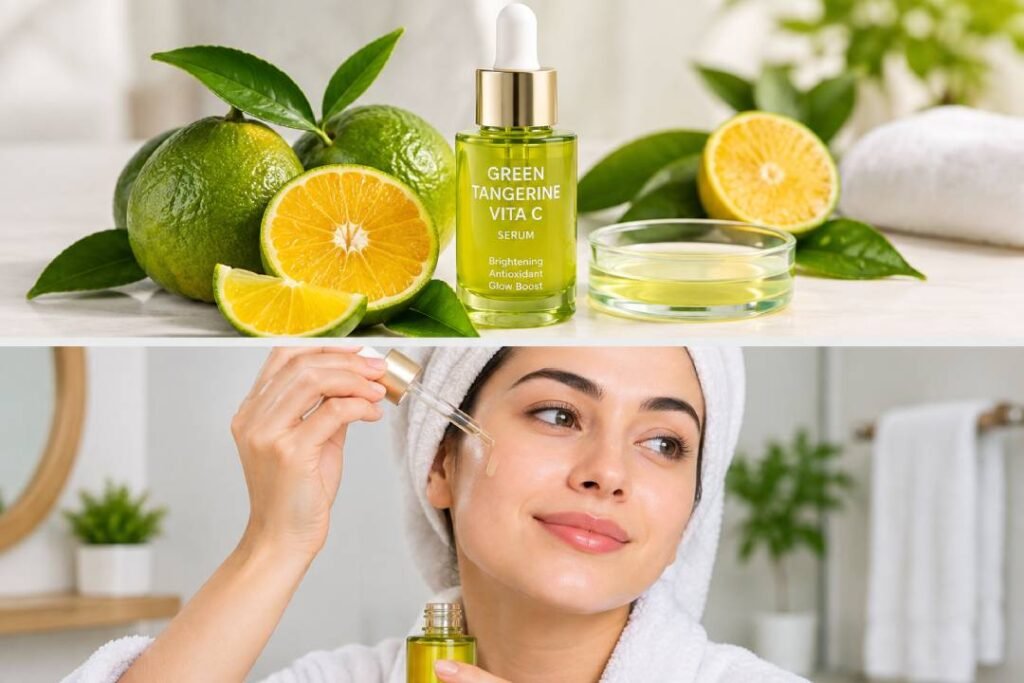
The exact combination depends on which product you choose:
- Original Dark Spot Care Serum: Ingredients include green tangerine extract, niacinamide, arbutin, panthenol, sodium hyaluronate, ascorbyl glucoside, and several botanical extracts.
- Newer Vita C E TXA Serum: Adds tranexamic acid and multiple vitamin C forms, including 3-O-ethyl ascorbic acid, ascorbyl glucoside, and sodium ascorbyl phosphate.
Vitamin C and Vitamin C Derivatives
Vitamin C is popular in skincare because of its antioxidant properties and its role in products designed to improve the appearance of dull or uneven-looking skin. Vitamin C derivatives are altered forms of vitamin C that are commonly preferred because they provide improved formulation stability and skin tolerability over pure L-ascorbic acid. Ascorbyl glucoside is one such ingredient in the Green Tangerine Vita C Dark Spot Care Serum. The newer E TXA Serum also lists several vitamin C derivatives alongside ascorbic acid.
For someone new to vitamin C, this can be useful because you do not necessarily need to start with a strong pure L-ascorbic acid product. A derivative-based formula may fit more comfortably into a simple routine, although individual tolerance still varies.
Niacinamide and Other Brightening Ingredients
Niacinamide is another important ingredient found in several formulas in this range. It is a derivative of vitamin B3 and is often used in skincare to help strengthen the skin barrier and improve the look of uneven tone and texture.
The original Dark Spot Care Serum also contains arbutin, while the newer E TXA Serum contains tranexamic acid. These ingredients are frequently included in skincare routines aimed at addressing pigmentation and uneven tone.
Hydrating and soothing ingredients also matter. Depending on the product, ingredients such as panthenol, glycerin, sodium hyaluronate, and other moisturizing components can help make the formula more comfortable to use. This is one reason it is better to look at the whole ingredient list instead of judging a skincare product by its headline ingredient alone.
Green Tangerine Vita C Benefits
The main reason people search for this product line is usually its connection with dark spots, dullness, uneven skin tone, and overall brightness. Product descriptions specifically position the range around these concerns.
However, it is crucial to utilize realistic expectations. A cosmetic serum can help improve the appearance of certain skin concerns, but it should not be presented as a guaranteed treatment for pigmentation or a substitute for medical care. Results can also vary according to the cause of discoloration, skin type, routine, sun exposure, and how consistently the product is used.
1. Helps Improve the Appearance of Dark Spots
Dark spots can develop for many reasons, including previous breakouts and sun exposure. Products containing ingredients such as vitamin C derivatives, niacinamide, and arbutin are commonly used in cosmetic routines designed to make uneven pigmentation appear less noticeable.
The classic Dark Spot Care Serum is specifically marketed for dark spots and uneven skin tone and includes several of these ingredients in its formula. The important word here is appearance. It is better to think of a brightening serum as part of a consistent skincare routine rather than expecting one application to erase pigmentation. Skin changes usually take time, and everyday sun protection is crucial if you hope to alter the look of uneven pigmentation.
2. Supports a Brighter-Looking Skin Tone
Dull-looking skin can make the complexion appear uneven or tired. Antioxidant-rich ingredients and brightening-focused formulas are often used to help skin look fresher and more radiant.
Products in this range are designed around this type of concern. The combination of green tangerine extract with vitamin C derivatives and other ingredients gives the range its brightening-focused identity. Rather than expecting a dramatic change in your natural skin color, think of brightening skincare as helping the complexion look more even, clear, and radiant.
3. Helps Skin Look More Hydrated and Smooth
Not every benefit associated with the range is about pigmentation. Some formulas include humectants and soothing ingredients that can help support a comfortable, hydrated feel.
For example, sodium hyaluronate is listed in the classic serum, while panthenol appears in both the classic serum and other products in the line. Hydration may also make the skin surface seem smoother. When skin is properly moisturized, fine dehydration lines and rough texture can sometimes look less noticeable. This does not mean a vitamin C serum replaces a moisturizer, but it can be one useful step within a broader skincare routine.
Green Tangerine Vita C vs Traditional Vitamin C
A common question is whether green tangerine vitamin C is better than a conventional vitamin C serum. There is no simple answer because these products can use completely different formulations.
For more information about using vitamin C for uneven pigmentation, see our Vitamin C Serum for Pigmentation: 7 Powerful Benefits & Uses guide.
| Feature | Green Tangerine Vita C | Traditional Vitamin C Serum |
| Main concept | Green tangerine extract plus vitamin C-related ingredients | Usually centered around vitamin C |
| Vitamin C form | Can include derivatives such as ascorbyl glucoside | May use pure L-ascorbic acid or a derivative |
| Other ingredients | Often includes niacinamide, arbutin, soothing or hydrating ingredients | Depends heavily on the specific formula |
| Main cosmetic focus | Dark spots, uneven tone, and dullness | Brightening and antioxidant-focused care |
| Texture | Depends on the specific product | Can range from watery to oily or gel-like |
| Best approach | Check the exact current ingredient list | Check concentration and vitamin C form |
This comparison explains why checking the ingredient list is more helpful than relying on the product name alone. A Green Tangerine Vita C serum may be a good fit for someone looking for a multi-ingredient brightening product, while another person may specifically want a measured L-ascorbic acid formula.
There is also a newer E TXA formula in the line that combines tranexamic acid, niacinamide, vitamin E, and several vitamin C forms. Goodal also announced an upgraded Green Tangerine Vita C Dark Spot Care Alpha line, so anyone publishing a current article or buying the product should verify whether they are looking at the original or updated formula.
How to Use Green Tangerine Vita C in a Skincare Routine
For the classic Green Tangerine Vita C Dark Spot Care Serum, retailer instructions generally place the serum after cleansing and toning, followed by a moisturizer. For a detailed look at this specific product, read our Goodal Green Tangerine Vita C Serum review.
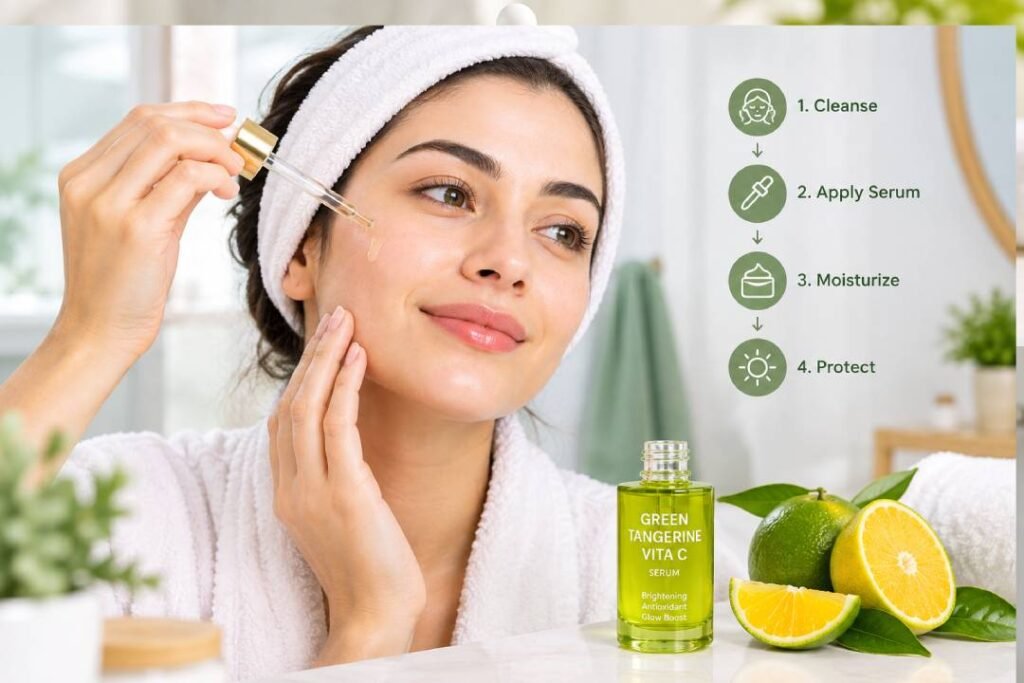
A simple routine could look like this:
- Cleanser: Remove makeup, sunscreen, oil, and everyday impurities.
- Toner: Use one if it is part of your regular routine.
- Green Tangerine Vita C Serum: Apply a moderate amount and gently pat it into the skin.
- Moisturizer: Follow with a moisturizer suited to your skin type.
- Morning Sunscreen: Always top off with a broad-spectrum sunscreen during daytime routines.
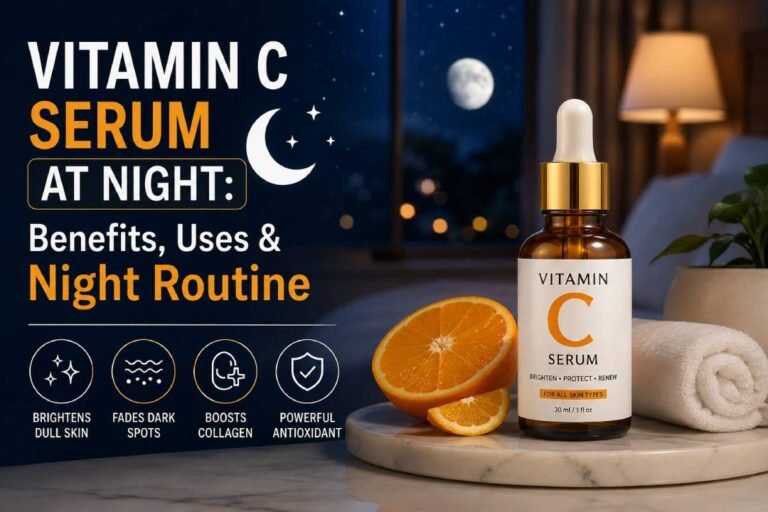
If you’re wondering whether to use vitamin C in the morning or at night, read our Vitamin C Serum at Night: 7 Benefits, Uses & Routine guide.
If you are new to the product, start slowly to see how your skin reacts. Patch testing is also sensible, especially if your skin is sensitive or you are introducing several new products at once. Retailer instructions specifically recommend testing a small area and watching for irritation before regular use. Beginners can also learn how to use vitamin C serum correctly.
Sunscreen deserves special attention. If your skincare goal is to improve the appearance of dark spots, spending time on brightening products while skipping daytime UV protection can work against that goal. A consistent daytime sunscreen routine is therefore a practical part of any pigmentation-focused skincare routine.
Who Can Use Green Tangerine Vita C?
The product line is marketed toward people concerned about dark spots, uneven skin tone, dullness, and related cosmetic concerns. Some current listings describe particular formulas as suitable for sensitive skin.
However, “suitable for sensitive skin” should not be interpreted as “guaranteed not to irritate everyone.” Skin is individual, and even a product marketed as gentle can cause a reaction in someone who is sensitive to a specific ingredient.
This is especially relevant because some formulas in this range contain multiple botanical extracts and fragrant essential oils. The classic serum ingredient list, for example, includes bergamot, lemon, lavender, orange, eucalyptus, and ylang-ylang-related ingredients. If you know that your skin reacts to fragrance or essential oils, checking the complete current ingredient list before purchasing is important.
Possible Side Effects and Precautions
Most people think of vitamin C as a simple brightening ingredient, but a skincare formula contains many ingredients beyond vitamin C. A reaction could therefore come from another component of the formula rather than the vitamin C itself.
- Possible Side Effects: Redness, itching, burning, dryness, or irritation, particularly when introducing several active products at the same time.
- What to do: If your skin becomes irritated, stop using the product and allow the skin to recover rather than adding more active ingredients.
- Patch Testing: Apply a small amount to a discreet area (like the inner forearm or jawline) and observe your skin before making it part of your regular facial routine. Discontinue use if irritation occurs.
- Simplify Your Routine: If you already use exfoliating acids, retinoids, acne treatments, or several brightening products, introduce one change at a time. This makes it much simpler to identify what is helpful and what might potentially irritate your skin.
Frequently Asked Questions
Is Green Tangerine Vita C the same as vitamin C?
No. Green Tangerine Vita C refers to a skincare product line that uses green tangerine extract alongside vitamin C and/or vitamin C derivatives. The exact vitamin C ingredients depend on the specific product. For example, the classic serum contains ascorbyl glucoside, while the newer E TXA serum contains several vitamin C forms.
What is Green Tangerine Vita C used for?
It is widely used in skincare routines for improving the look of dark spots, dullness, and uneven skin tone. Some formulas also include moisturizing and soothing ingredients, making them a good choice for those who want brightening care without committing to a complex active ingredient regimen.
How often can you use Green Tangerine Vita C?
Usage varies based on the specific product and your skin’s tolerance. Product directions for the classic serum recommend using it after cleansing and toning, and many retailers suggest it can be used both morning and evening. If you are new to active skincare, starting less frequently (e.g., once every other day) is a sensible way to gauge your tolerance.
Can I use Green Tangerine Vita C in the morning?
Yes, it is commonly included in morning skincare routines. If you use it during the day, always finish your regimen with sunscreen. Because UV exposure is a major contributor to visible pigmentation, sunscreen is essential if your skincare goal is a more even complexion.
Is Green Tangerine Vita C suitable for sensitive skin?
Some products in this line are labeled as suitable for sensitive skin and have completed primary skin irritation tests. However, individual sensitivities vary. If your skin is sensitive to botanical extracts, essential oils, or citrus fragrances, review the ingredient list carefully before purchasing.
Can Green Tangerine Vita C help with post-acne marks or scars?
While consistent use as part of a proper skincare routine may help reduce the look of post-acne dark spots (post-inflammatory hyperpigmentation), it will not fix structural acne scars. Post-acne dark spots are discoloration, whereas indented or raised scars represent textural changes that cosmetic brightening serums cannot alter.
Do I need to use sunscreen with Green Tangerine Vita C?
Yes. Sunscreen is a vital step every morning, particularly if you want to enhance the look of dark patches or uneven pigmentation. A brightening serum and sun protection have completely different jobs, so you cannot substitute one for the other.
Conclusion
Green Tangerine Vita C is a line of skin-brightening products that combine green tangerine extract with vitamin C derivatives and other supporting ingredients. While classic products like the Dark Spot Care Serum feature ingredients such as niacinamide, arbutin, panthenol, sodium hyaluronate, and ascorbyl glucoside, newer formulations may incorporate ingredients like tranexamic acid and multiple vitamin C forms.
For beginners, the best way to approach this range is with realistic goals: focus on enhancing the look of dullness, uneven tone, and dark spots, while keeping the skin hydrated and protected from the sun. Rather than judging a product solely by the “Vita C” name, always inspect the precise formula, full ingredient list, and application guidelines for the specific product version you are purchasing. Manufacturers frequently update their formulas, so checking current packaging ensures you know exactly what you are applying to your skin.